

A week in Ferrara for SMBE 2023
- matildascott111
- Aug 10, 2023
- 2 min read
I attended the Society for Molecular Biology and Evolution 2023 conference in Ferrara, Italy, with the aid of the J W Stephen Fellowship, an SBS travel bursary. The main goal was to present my research, as well as to learn as much as possible from the other academics.
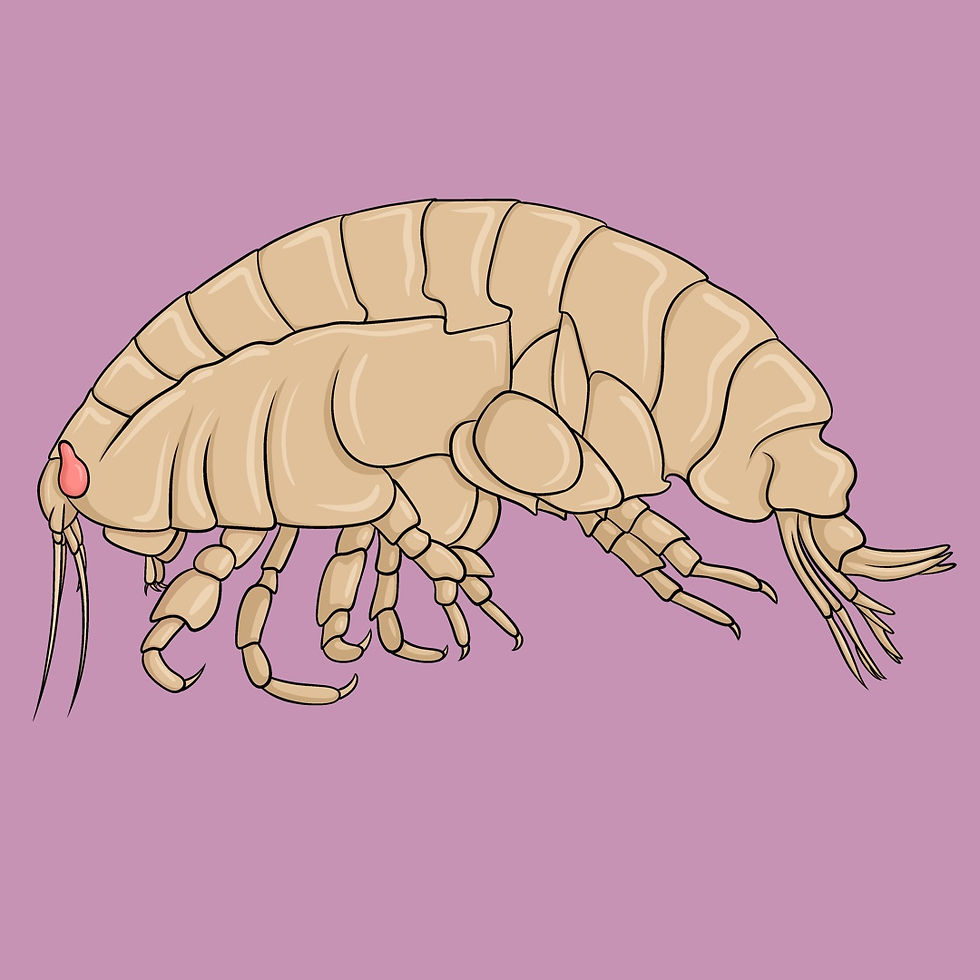
Attendees could visit my poster to learn if transposable elements (TE) played a role in the evolution of deep-sea amphipods. TE exist in the genomes of all animals and plants. TE are sections of DNA that can copy and paste themselves. Usually, TE are stopped by their host as TE duplication is often harmful. In humans, TE cause cancer. However, we think that TE proliferation allowed amphipods to colonise the deep sea by generating beneficial adaptations, like the ability to withstand tremendous pressures.

Here are some of the highlights from the conference:
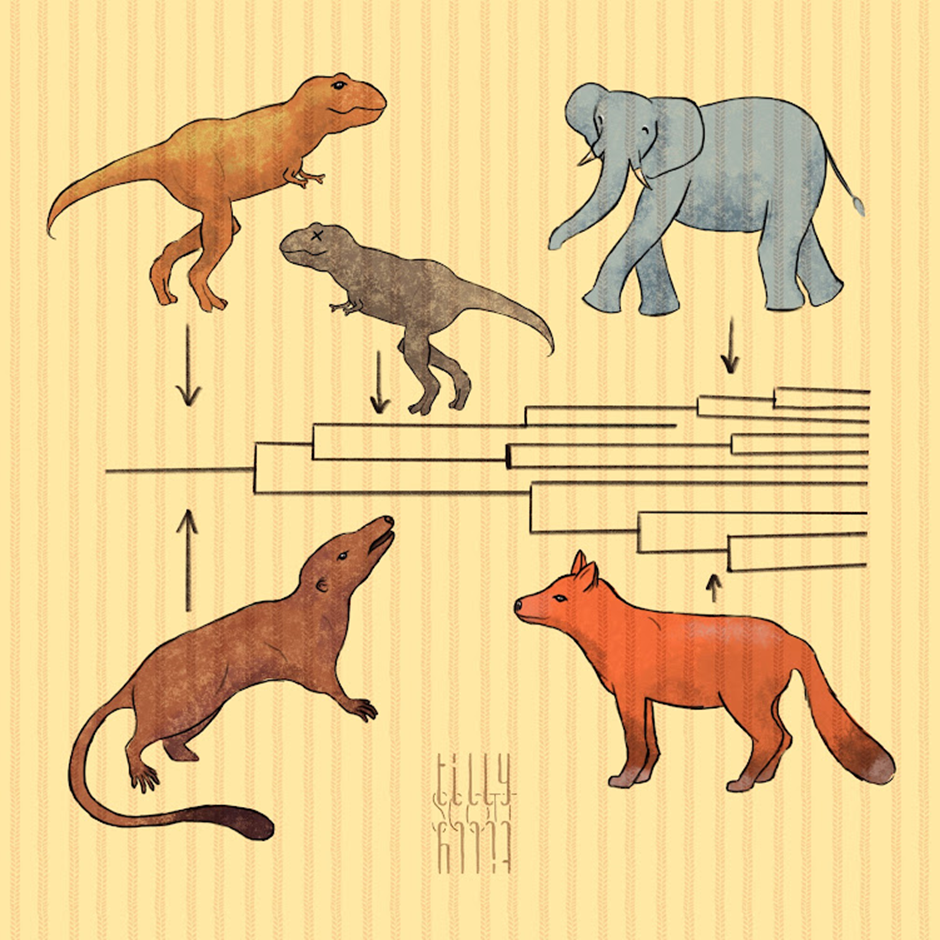
SMBE23 started with Philip Donoghue discussing combining molecular methods with palaeontology to date evolution. This approach suggests that placental mammals had begun to diversify before the dinosaurs were wiped out, and then rapidly diversified afterwards.
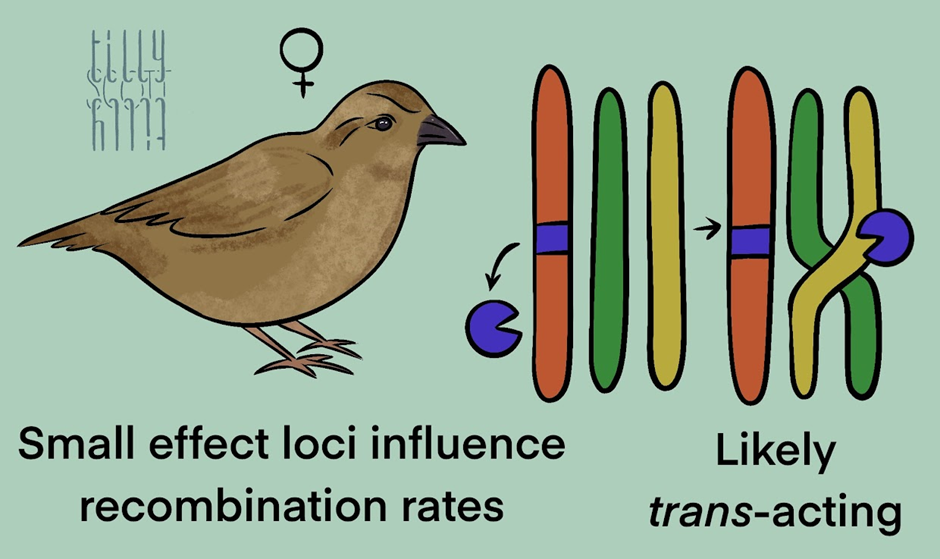
Susan Johnston led the first symposium: meiotic recombination rates vary with species, sex and individual. In female house sparrows, lots of small-effect loci effect recombination amounts - these are heritable and likely trans-acting.
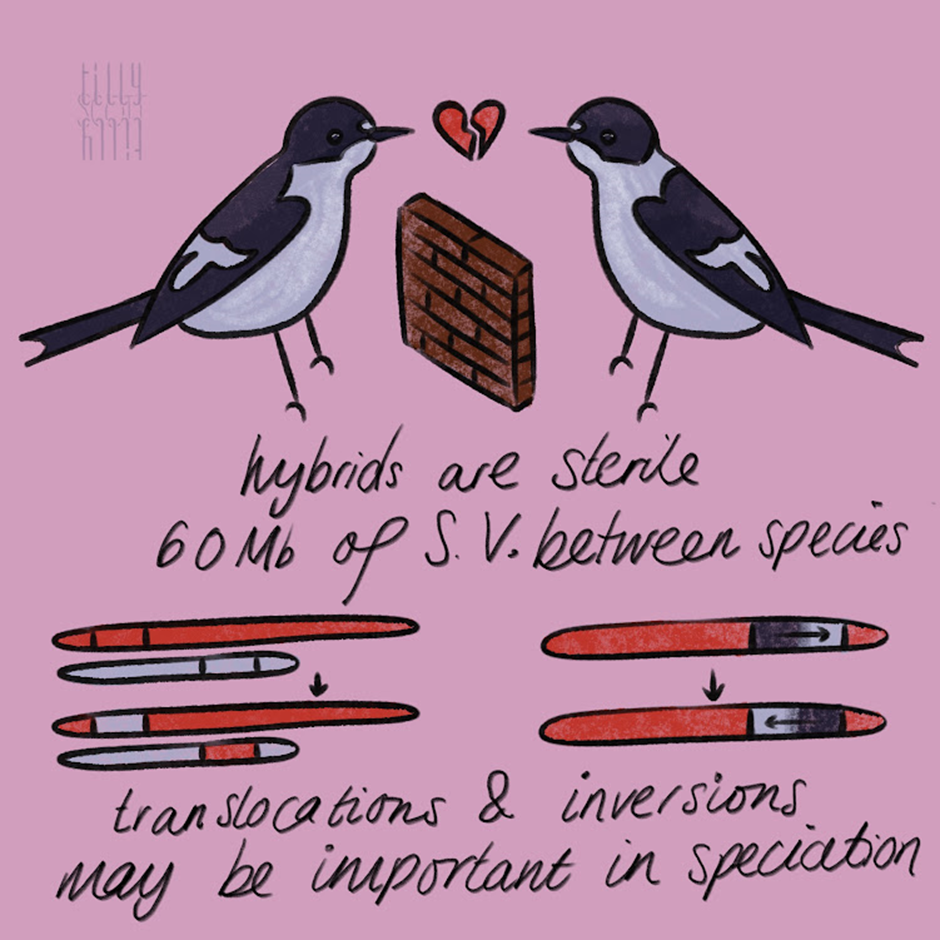
Carina Mugal presented her research on structural variation in hybrids. Pied and collared flycatcher hybrids are sterile - structural variations (SV) may be involved in their differentiation and speciation, particularly translocations and inversions.
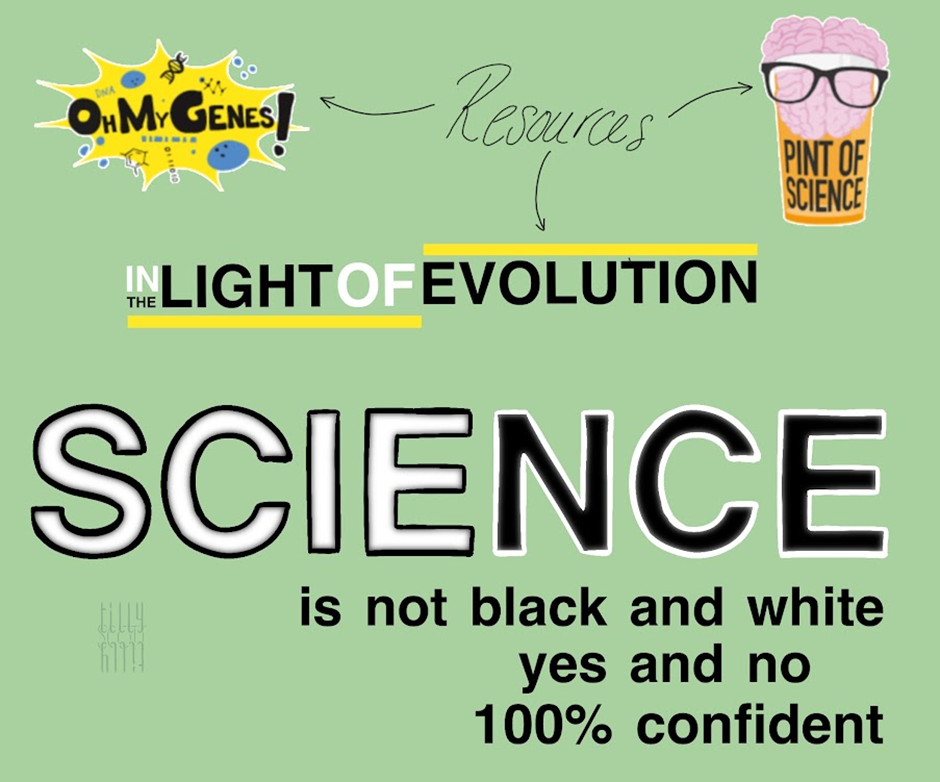
Sharing our science & how we convey science to the public is essential – often, absolute confidence is expected, but this is not something we have. The SMBE23 symposium on education and outreach raised many valuable points and resources. Teaching critical thinking is crucial!
This was an excellent conference, particularly as it was an ‘urban diffused conference’, which meant we got to experience many of Ferrara's old buildings. I presented my poster in the crypt below the castle! Thank you to the organisers of this conference and the J W Stephen Fellowship.
Comments